Cabinet Refacing vs. Replacing: Which Is Worth It?

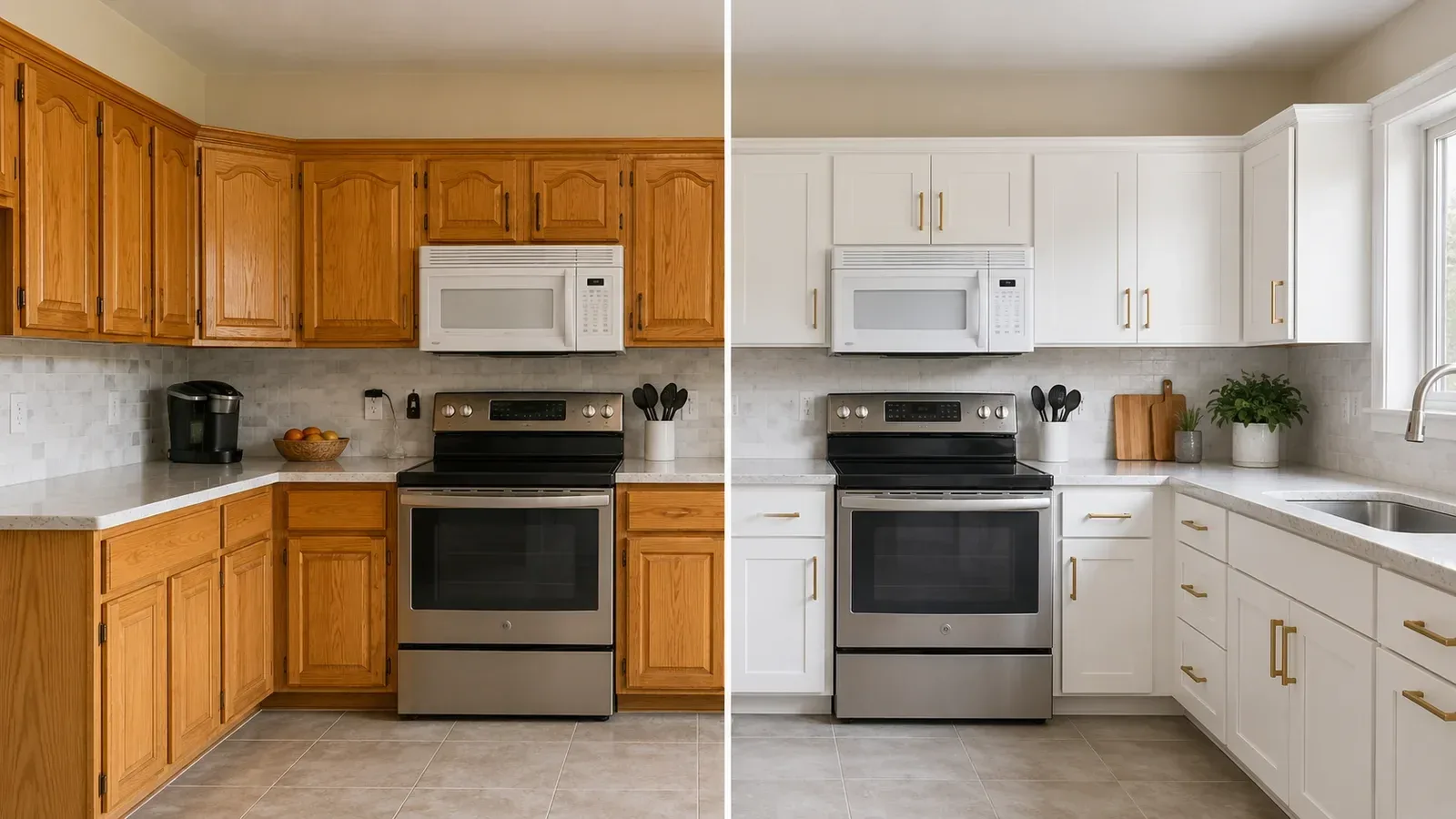
Updating your kitchen is exciting, but deciding what to do with your cabinets can feel overwhelming. Many homeowners struggle to choose between a fast cosmetic refresh and a complete tear-out.
Comparing cabinet refacing vs replacing comes down to balancing upfront savings against long-term box durability. While kitchen cabinet refacing can update the look of your space for less money, saving worn frames often creates costly repairs down the road.
Understanding the condition of your current boxes and your layout goals makes the decision easy. Taking time to weigh both paths helps you protect your home renovation budget and pick the right option for your space.
Refacing vs. Replacing Basics
Choosing between these two updates comes down to whether you want to preserve your existing framework or start completely fresh.
Kitchen Cabinet Refacing
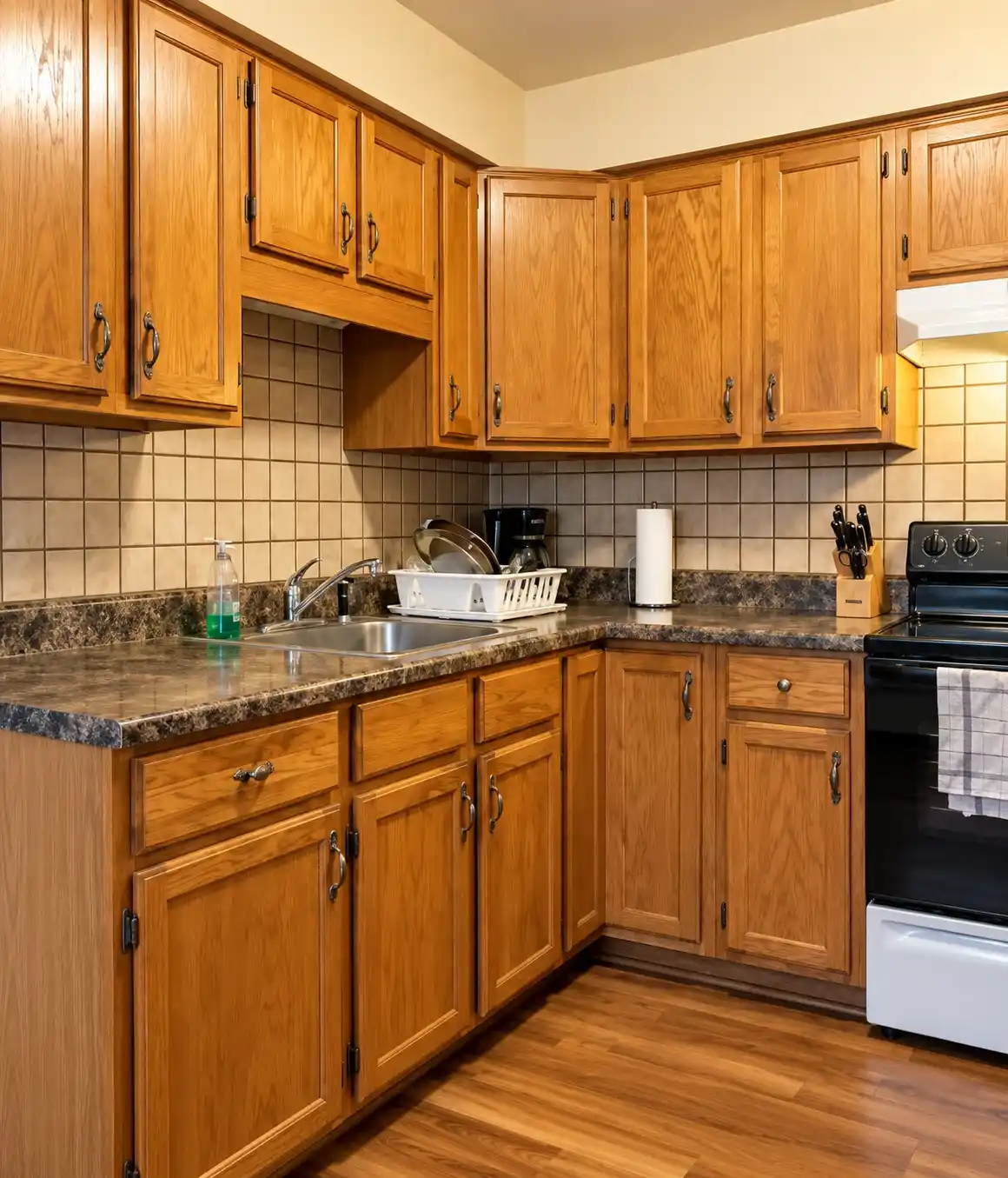
This process keeps your existing cabinet boxes and face frames in place. The installer removes old doors and drawer fronts, applies a matching veneer over all exposed exterior frames, and installs brand-new doors, drawers, and hardware. When weighing refacing vs new cabinets, refacing acts like a surface-level facelift.
Kitchen Cabinet Replacement
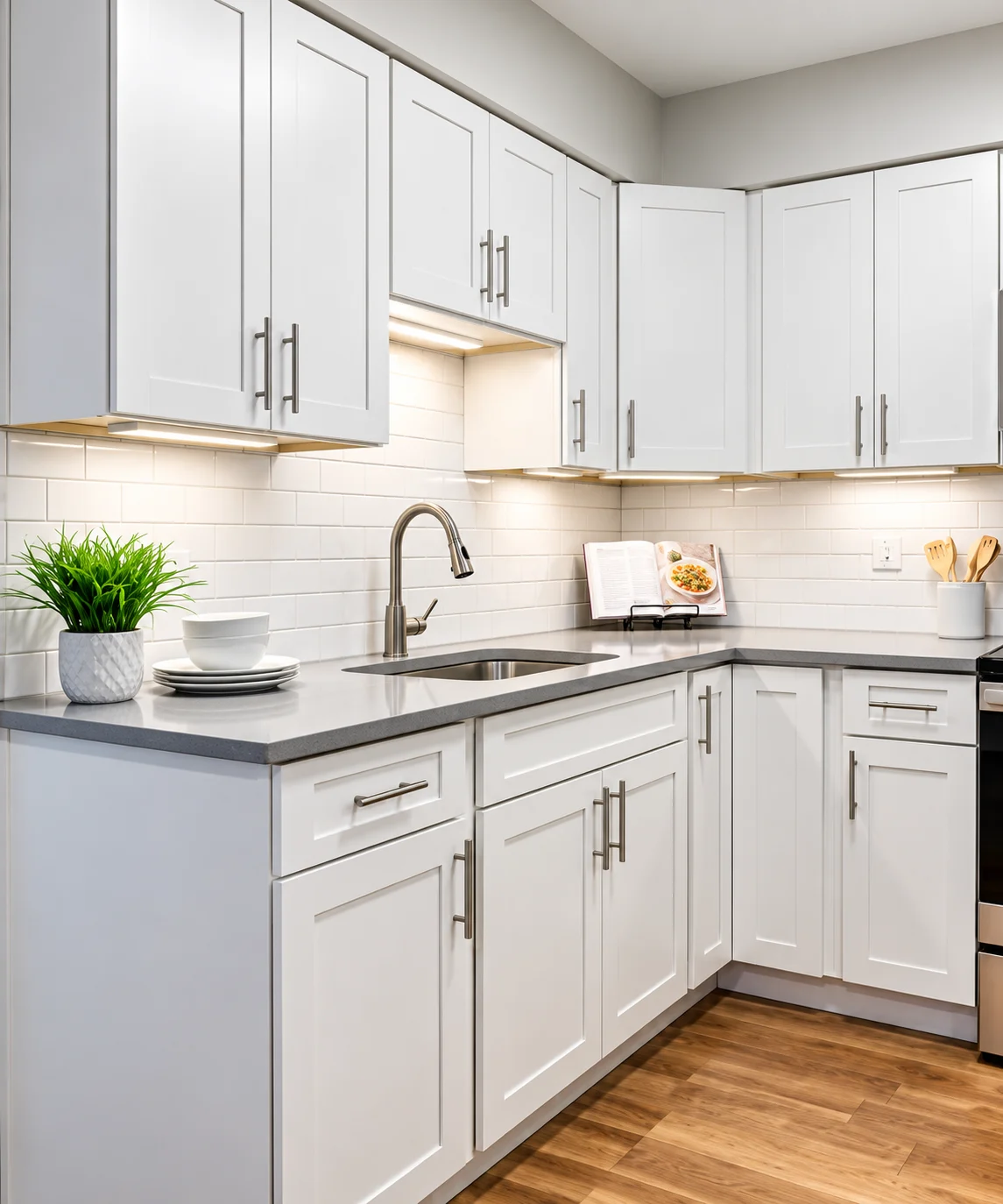
A complete kitchen cabinet replacement involves removing and discarding old cabinet boxes entirely. Installers mount brand-new base and wall cabinets directly to your bare walls, giving you full freedom to rethink your room layout, adjust storage heights, and install stronger materials.
Cost Comparison
Budget is often the primary factor when choosing between these two options. While an average cabinet refacing cost offers 30% to 50% upfront savings compared to custom replacement, most of your money pays for delicate on-site labor rather than new materials.
| Expense Factor | Cabinet Refacing | Cabinet Replacement |
|---|---|---|
| Entry-Level Cost | $4,000 to $9,000 (standard laminate) | $5,000 to $10,000 (basic stock units) |
| Mid-Range Cost | $10,000 to $15,000 (wood veneer, custom doors) | $11,000 to $20,000 (factory-direct plywood) |
| High-End Cost | $16,000+ (premium woods, custom finishes) | $22,000 to $35,000+ (fully custom units) |
| Demolition and Prep | $0 (existing frames stay in place) | $1,000 to $3,000 (tear-out and disposal) |
| Where Money Goes | 70% to 80% pays for veneer labor | Balanced between new materials and installation |
| Upfront Savings | 30% to 50% less than full replacement | Higher initial spend, but includes new boxes |
| Durability | Limited by the age of your old boxes | High, backed by brand-new warranties |
Spending thousands to veneer aging particle board boxes wastes money if the frames fail later. Buying new, all-plywood cabinetry protects your investment, eliminates hidden repair costs, and adds lasting value to your home.
When to Choose Refacing
Refacing makes sense under specific conditions where your kitchen already functions well and only needs a cosmetic update. If your existing setup meets the following criteria, updating the exterior surfaces can provide a clean, refreshed appearance:
- Sound Cabinet Boxes: Existing frames must be structurally solid, dry, and free of sagging, rot, or water damage.
- Keeping Your Current Layout: The current footprint works well, leaving countertops, sink plumbing, and appliances in place.
- Faster Turnaround: The project wraps up in three to five days with minimal mess and little kitchen downtime.
If your frames are damaged or your layout needs an overhaul, replacing the cabinetry is the better investment. You can visualize a brand-new layout before making a decision by exploring our 3D kitchen design and planning service.
When to Choose Replacement
Full cabinet replacement is the right solution when cosmetic fixes cannot solve structural problems or functional limitations. Choosing new cabinetry gives you a clean slate to improve the strength, appearance, and workflow of your kitchen:
- Damaged Cabinet Boxes: Water damage, warped bottom panels, stripped screw holes, and crumbling particle board cannot be saved. Gluing new veneer over failing wood only hides decay temporarily.
- Changing Your Kitchen Layout: Tearing out old units allows you to add an island, extend upper wall cabinets to the ceiling for extra storage, or reposition appliances to create a better working triangle.
- Upgrading to All-Plywood Construction: Replacement lets you leave behind weak builder-grade materials and invest in heavy-duty plywood boxes, solid wood dovetail drawer joints, and smooth soft-close hardware that lasts for decades.
Investing in brand-new cabinetry eliminates the hidden risks of decaying frames, giving you total freedom to design a layout that matches your lifestyle with materials built to last.
Massachusetts Home Factors
Homeowners in New England face unique architectural and environmental conditions that impact how cabinetry holds up over time. If you are exploring cabinet refacing Massachusetts options, regional housing characteristics should guide your final decision.
Older Home Settling
Many older colonial and historic homes in the area have decades of foundation settling. This settling leads to out-of-plumb walls, uneven floors, and twisted cabinet boxes. Refacing only wraps the existing frames, leaving underlying slopes and alignment issues uncorrected. As a result, newly refaced doors and drawer fronts often fail to hang straight or close flush.
Coastal Humidity Swings
Massachusetts homes experience sharp moisture changes between damp coastal summers and dry, heated winters. Applying thin refacing veneers over aging particle boards creates a serious risk of bubbling, cracking, and peeling. As the older core materials swell and shrink with humidity, the glue bonds break down and pull the veneer loose.
Long-Term Stability
Installing brand-new cabinetry gives installers the chance to shim and level each box against uneven framing. Selecting all-plywood construction also resists moisture far better than particle board, keeping your kitchen square, functional, and durable through every New England season.
Taking regional climate and home age into account ensures you choose a renovation path that stands up to New England weather and historic architecture.
Quick Comparison Guide
Choosing between refacing and replacement comes down to your budget, kitchen condition, and long-term goals. Use this side-by-side guide to see how each project stacks up across key factors.
| Decision Factor | Cabinet Refacing | Cabinet Replacement |
|---|---|---|
| Average Cost | Lower initial spend, typically 30% to 50% less than custom units | Higher upfront spend, but includes all new structural materials |
| Project Timeline | Fast turnaround, usually completed in 3 to 5 days | Longer process, taking 2 to 4 weeks for tear-out and installation |
| Expected Lifespan | 7 to 10 years, depending on the strength of old boxes | 20 to 30+ years with durable all-plywood construction |
| Layout Flexibility | Zero changes allowed; keeps your existing layout exactly as is | Full freedom to add an island, move appliances, or extend height |
| Countertop Impact | Keeps your current countertops safely in place | Old countertops must be removed, requiring new or reinstalled counters |
If your layout functions well and your boxes are solid, refacing provides a quick surface refresh. If your frames show wear or you want to expand your storage and improve your home value, cabinet replacement delivers the best long-term return.
Plan Your Cabinet Project
Start by checking your cabinet boxes. Solid, dry frames make refacing an easy visual fix. If you have sagging boards, water damage, or a cramped layout, replacement is the better path.
Full replacement gives you the best long-term value. Factory-direct, all-plywood boxes resist humidity, while 3D design planning helps you build a layout that works.
Your decision comes down to box health and budget. Get in touch with Coast To Coast Cabinetry today to plan your kitchen project.